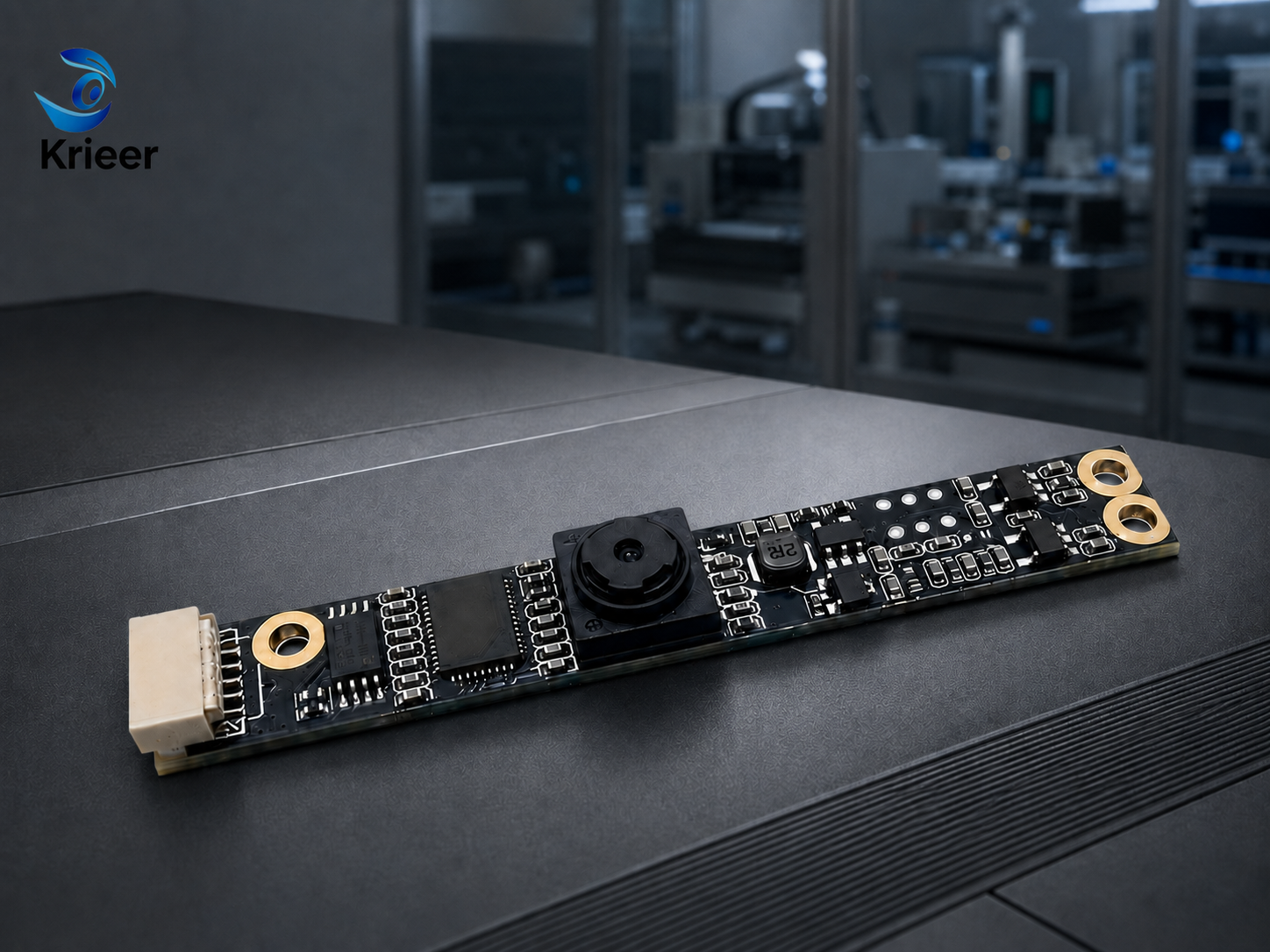
Finding a camera module supplier in China is easy. Finding one that can support your project from initial evaluation to stable mass production is much more difficult.
A supplier may offer hundreds of models, competitive prices and fast samples. However, these advantages do not necessarily mean that it can solve image-quality problems, adapt the module to your device or maintain consistent performance during mass production.
For B2B buyers, choosing the wrong supplier can result in repeated sample revisions, compatibility issues, unstable image quality, delayed product launches and even costly hardware redesigns.
Whether you are developing industrial equipment, medical devices, robots, smart terminals or video conferencing products, the following ten factors can help you evaluate a camera module manufacturer more effectively.
The first step is to understand which parts of the project the supplier actually controls.
Some suppliers mainly purchase standard camera modules from other factories. They may provide common models at attractive prices, but their ability to modify the PCB, adjust the firmware or solve imaging problems may be limited.
A capable camera module manufacturer should have access to engineering and production resources such as:
Not every component needs to be manufactured in-house. What matters is whether the supplier can control the complete integration process and take responsibility for the final result.
A camera module cannot be selected by resolution alone.
Working distance, target size, lighting conditions, movement, field of view, installation space and processing platform can all affect the final result.
Before recommending a model, a professional supplier should ask:
For example, a wider field of view captures more of the scene but makes the target appear smaller. Autofocus is useful when the shooting distance changes, while fixed focus may be more stable and cost-effective in a controlled environment.
A reliable manufacturer should explain these trade-offs instead of simply recommending the product with the highest specifications.
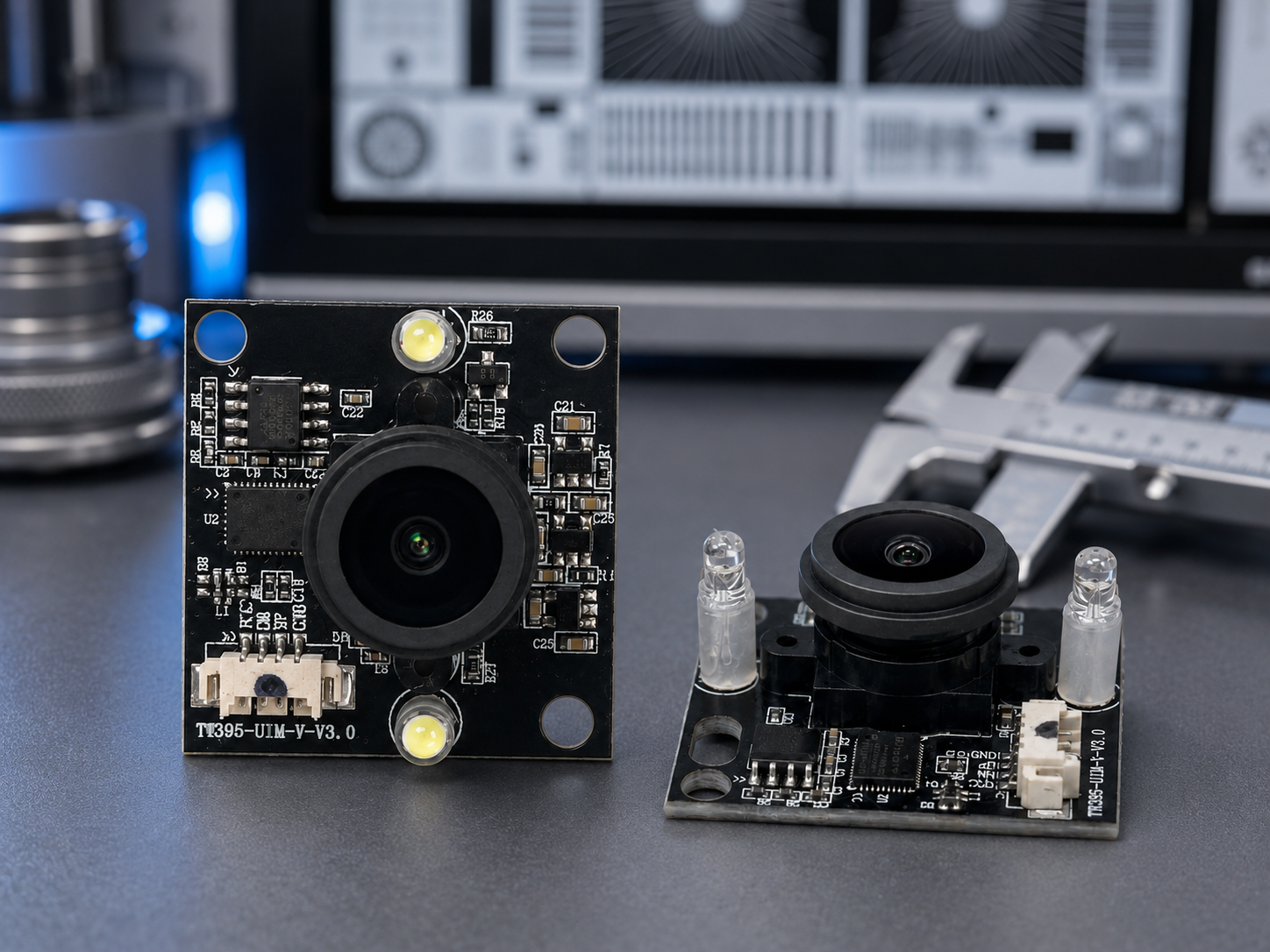
The image sensor is important, but it does not determine the complete imaging result.
Final performance also depends on the lens, chipset, ISP, firmware, interface and product structure. Two modules using the same sensor can still produce noticeably different images.
The manufacturer should help evaluate:
USB modules are often suitable for fast integration with Windows, Linux and Android devices. MIPI modules are commonly used in compact embedded products, while HDMI may be preferred when direct video output is required.
The right manufacturer should provide a complete imaging solution rather than simply sell an individual module.
Many image problems cannot be solved by replacing the hardware alone.
Images may appear too dark, overexposed, noisy, soft or inaccurate in color. These problems often require adjustments to exposure, white balance, gain, sharpness, noise reduction and other ISP parameters.
Depending on the application, the manufacturer may need to support:
Firmware and ISP support are especially important for industrial, medical and smart-device projects used under complex lighting conditions.
Buyers should confirm which tuning services are included before beginning development.
A camera module displaying an image on a computer does not guarantee that it will work correctly in the final product.
Compatibility can be affected by the operating system, processor, driver, interface bandwidth, video format and application software.
For USB projects, confirm:
For MIPI projects, provide the exact processor and development platform as early as possible. A physically matching connector does not necessarily mean that the module is electronically or digitally compatible.
A dependable manufacturer should evaluate the actual platform before promising compatibility.
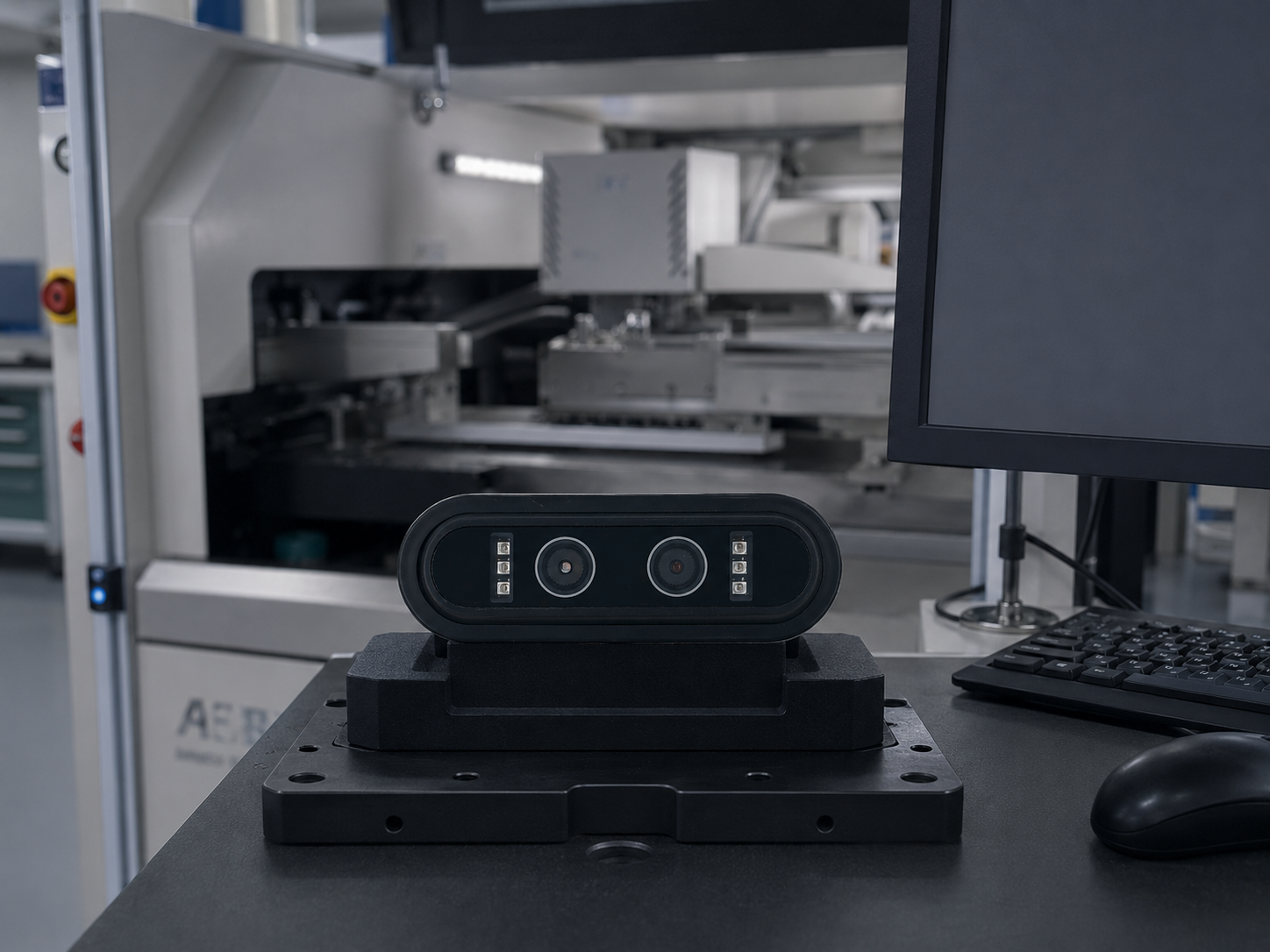
A custom camera module should normally be tested in the customer’s real device before mass production.
Datasheets and laboratory images cannot fully reproduce the final enclosure, working distance, lighting, software or temperature conditions.
A practical project process usually includes:
Sample testing should cover more than whether the camera can display an image. Buyers should check the field of view, focus distance, clarity, exposure, color, frame rate, software compatibility, cable stability and installation fit.
Projects involving low light, movement, strong contrast or reflective targets should also be tested under real operating conditions.
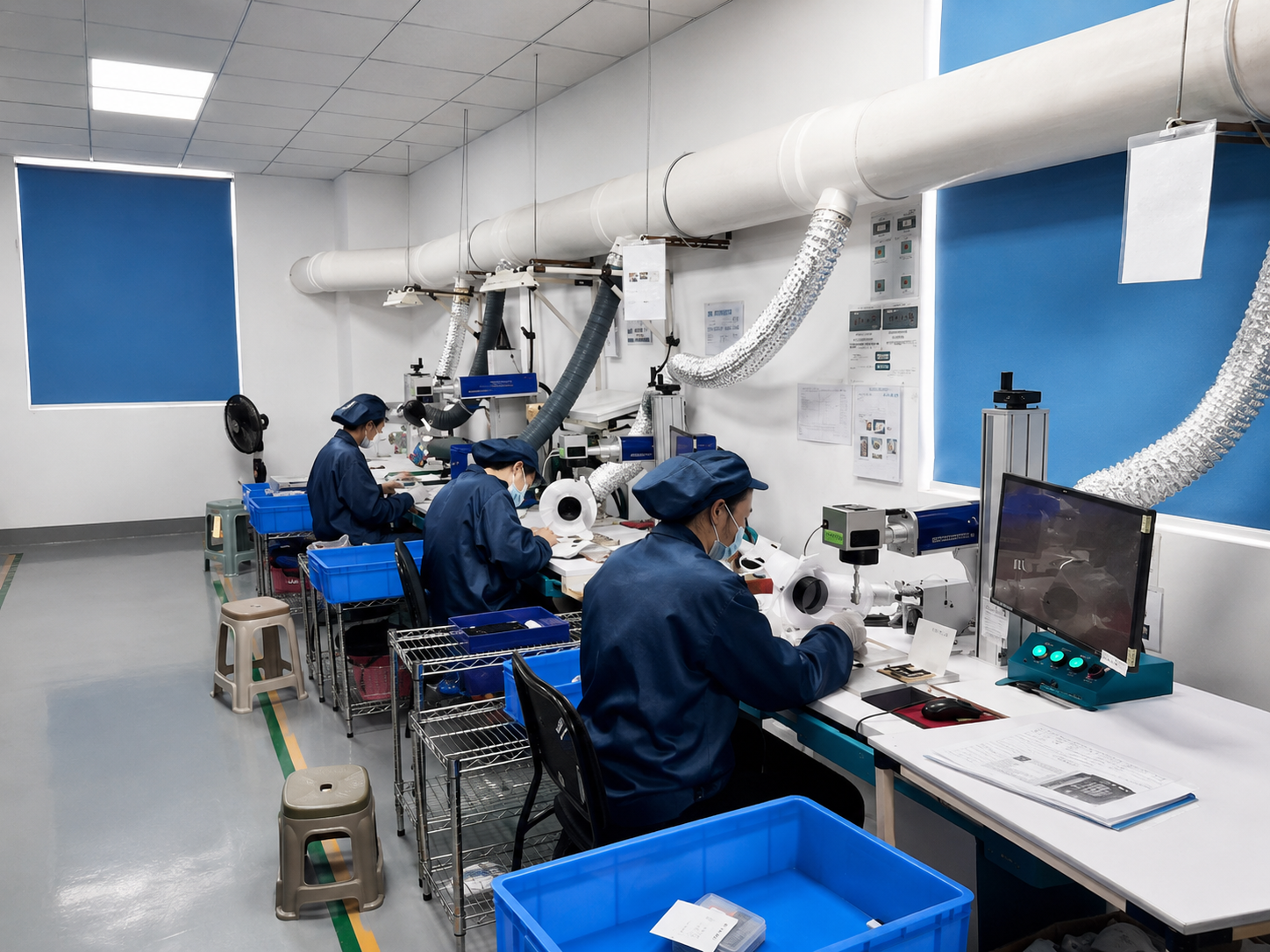
Camera module quality cannot be judged by appearance alone.
Dust on the sensor or lens, inaccurate focus, abnormal pixels and assembly variation can all affect the image. During mass production, small inconsistencies may create noticeable differences between units.
Ask how the manufacturer controls:
Dust-controlled assembly is important because particles inside the optical path may appear as fixed spots in the image.
For B2B buyers, the objective is not simply to receive one good prototype. The entire production order must deliver consistent quality.
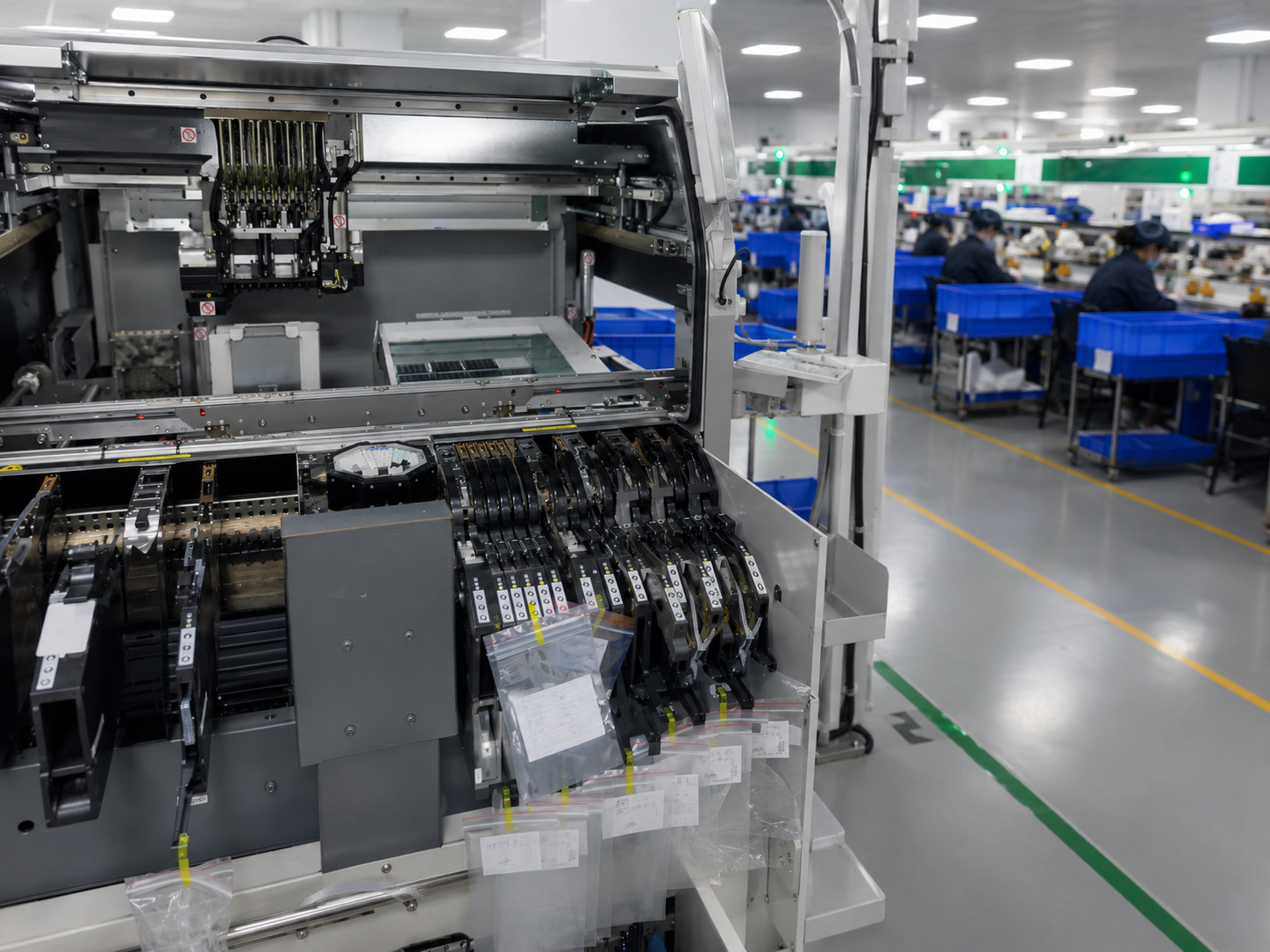
A common procurement risk is receiving an excellent sample but inconsistent mass-produced units.
This can happen when the sensor, lens, chipset or firmware is changed without approval. Weak incoming inspection and production control can also cause performance variations.
Before mass production, confirm:
If a component becomes unavailable or reaches the end of its supply life, the manufacturer should inform the buyer and arrange testing before making a replacement.
Consistency between the approved sample and production units is one of the clearest signs of a reliable supplier.
Camera module customization includes several connected stages. Projects often become delayed when technical requirements, responsibilities and approval points are unclear.
A professional manufacturer should provide a clear process covering requirement confirmation, solution evaluation, quotation, sample development, testing, modification, final approval, production and delivery.
The quotation should also define whether it includes:
Be cautious when a supplier promises an extremely short development schedule before reviewing the full requirements. A realistic timeline is more valuable than a fast promise that cannot be maintained.
A camera module project does not always end after the first order.
The product may later require a different lens, cable, connector, firmware version or image setting. The customer’s platform may change, or a critical component may become unavailable.
Before choosing a supplier, consider:
The lowest quotation may reduce the initial purchasing cost, but dependable engineering support and supply continuity can prevent much larger losses during the product lifecycle.
Buyers should be cautious if a supplier:
No manufacturer can meet every requirement without evaluation. An honest explanation of technical limitations is often more valuable than an immediate “yes.”
Krieer is a Shenzhen-based camera manufacturer with more than 18 years of industry experience. We provide camera modules, webcams, conference cameras and customized imaging solutions for global B2B customers.
Our OEM and ODM services include:
We support applications including industrial equipment, medical imaging, robotics, smart devices, online education and video conferencing.
Instead of selecting a camera based only on resolution, our team evaluates the working distance, target size, lighting, installation space, interface and host platform before recommending a solution.
Choosing a reliable camera module manufacturer in China requires more than comparing product lists and prices.
B2B buyers should evaluate the supplier’s engineering capabilities, understanding of the application, platform compatibility, image tuning, quality control, prototyping process and ability to maintain consistency during mass production.
The best supplier is not necessarily the one offering the highest specifications or the lowest price. It is the partner that can understand your product, identify risks early and provide a camera module that performs reliably inside the final device.
If you are developing a product that requires a USB or MIPI camera module, send Krieer your application, working distance, field of view, interface, host platform and estimated quantity. Our engineering team can help evaluate the requirements before prototyping.


